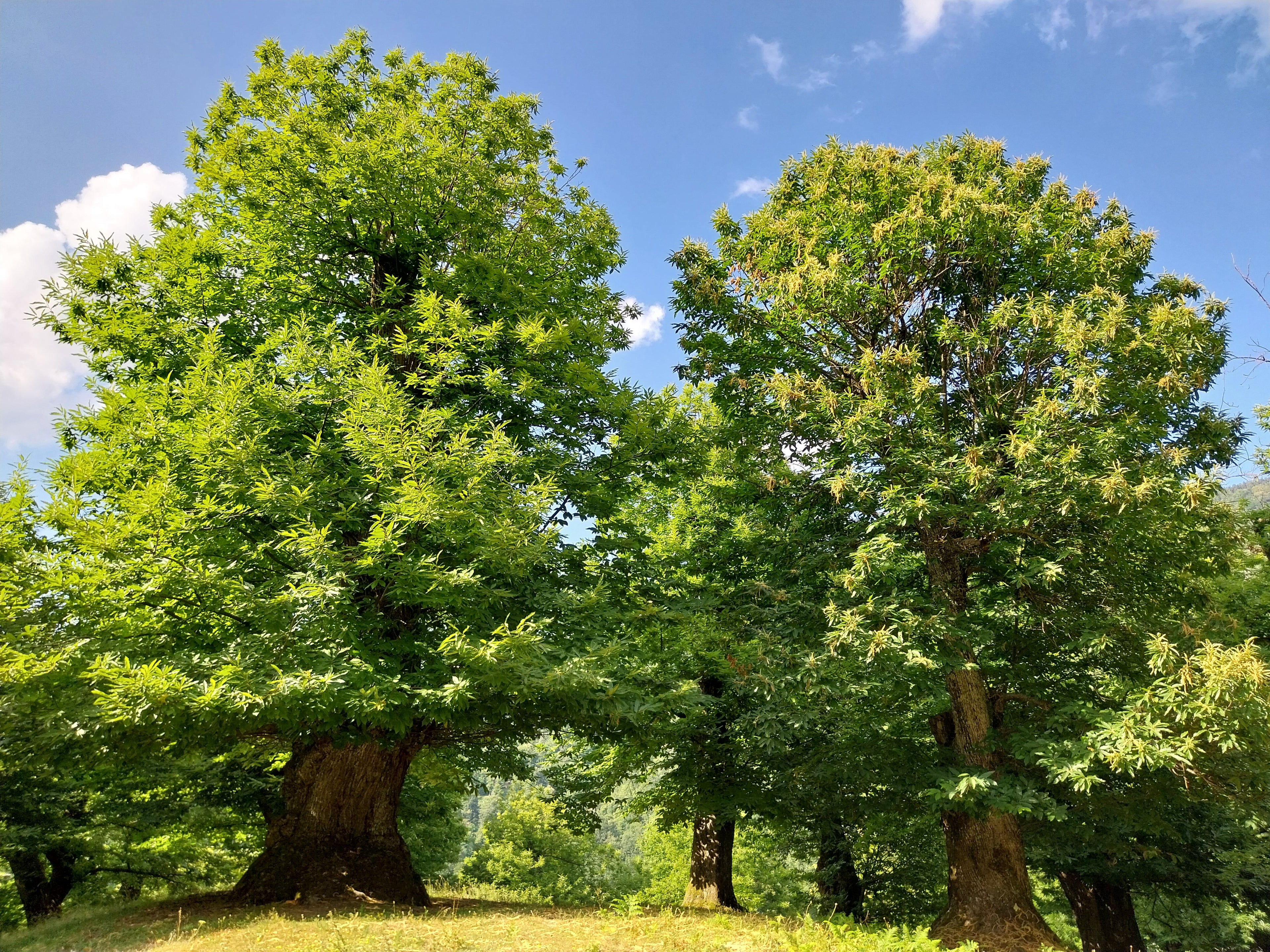
albero di castagno in marroneta tradizionale

organic from the very beginning

A pristine forest

A pristine place, between farmland and forest, between the valley and the mountain peaks, where fruit-bearing chestnut groves have been born, living, and dying for centuries upon centuries. Our fruit-bearing chestnut groves have been organic from the start; they have never been subjected to any contamination.

The chestnut orchard that makes up La Fenice’s agricultural estate is located in the municipality of Vicchio, in the Mugello Valley, in that land near Florence which was the cradle of the Renaissance.

We preserve high-altitude chestnut woods, both spontaneous and grafted by the skillful hand of man, where the cry of a buzzard in the sky echoes in the surrounding silence.
forza rigenerativa

peculiarity of the chestnut tree

The traditional chestnut grove

Our fruit-bearing chestnut groves are woods grafted with the ancestral knowledge of generations of farmers, who over the long course of centuries have selected the best fruits.

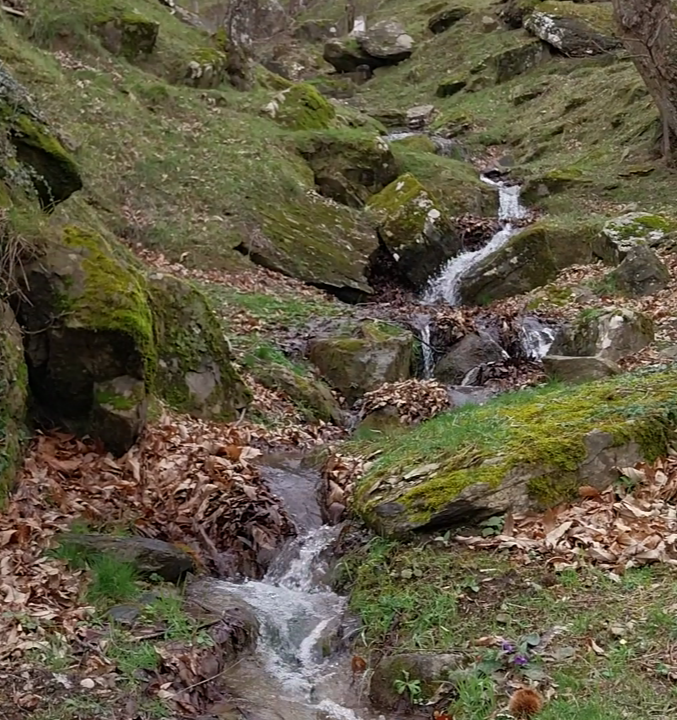
The traditional chestnut orchard distinguishes itself from modern orchards with rational and mechanized rows by its spontaneous and pristine nature. Woods, with steep slopes, sumptuous rocks, and crystal-clear springs, flow from a generous and uncontaminated land.

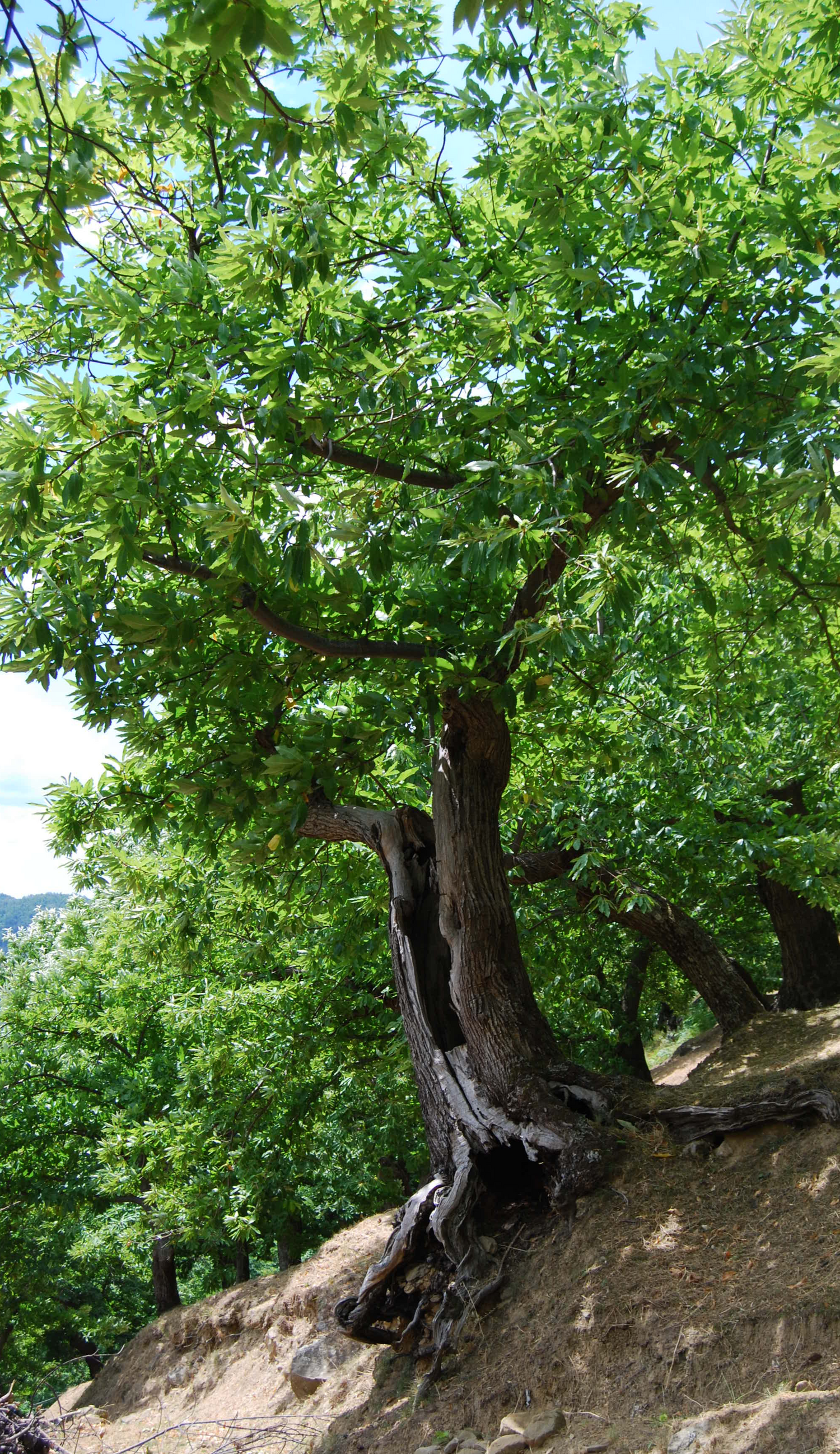
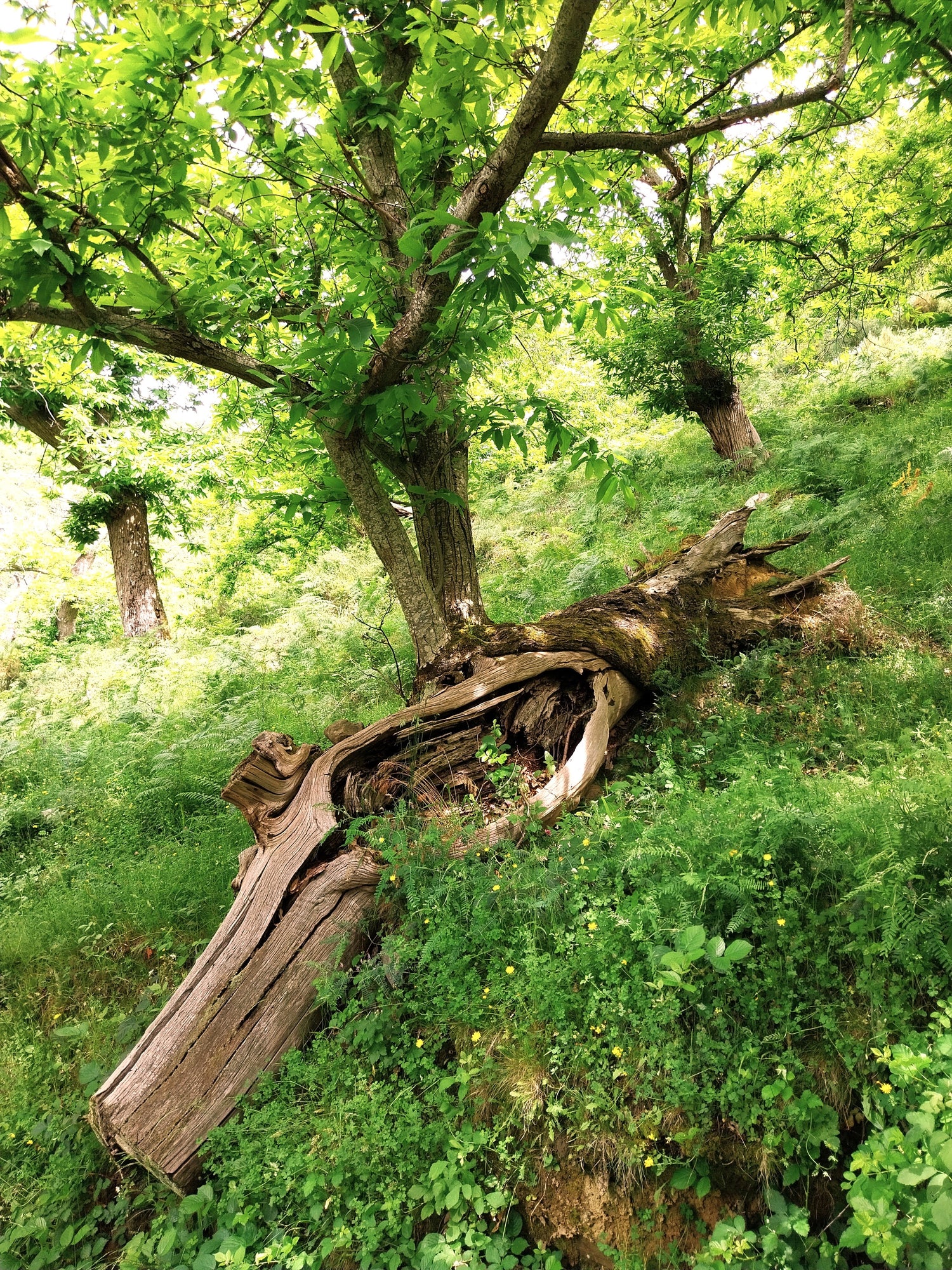
A peculiar characteristic of the chestnut tree is its regenerative capacity: very old trees, sometimes with trunks made hollow by time or struck by lightning, show lush green fronds; tender, newly grafted trees stand alongside sturdy trunks; the vigorous shoots that sprout from the base every year must be removed to channel energy upward, but the tiny seedlings just born from a fallen chestnut are carefully protected as a promise of future development.
marroneta tradizionale

maintenance of the premises

Constant attention

The human presence is felt in the constant attention to the maintenance of the grounds, but no less palpable is that of the woodland animals: birdsong, the chirping of cicadas, the calls of roe deer and fawns, traces of deer, and the fleeting appearance of a fox speak to the richness of life that inhabits the chestnut grove… not to mention the fruits of the undergrowth and the extraordinary surprises of the mushrooms!

Some think that working in the chestnut grove is limited to the harvest, when the woods come alive in October with teams of gatherers. This is certainly the period of greatest activity, when the woods buzz with extraordinary energy from dawn until dusk; but the falling of the chestnuts is not a "miraculous" event and requires constant effort throughout the year.

The work of the chestnut grower

The trees need continuous care and attention; the watchful eye of the chestnut grower must recognize the identifying characteristics of each chestnut tree: the younger one that needs protection from roe deer antlers and the older one that asks to be pruned and fertilized to regain energy and vigor.

As spring awakens, he must observe whether the canopy needs to be cleared of wild branches, which leaf out earlier than the others; but above all, he must identify where to perform grafts to introduce new specimens that will be able to produce fruit in a few years and replace those that have now reached the end of their life cycle, sometimes after many long centuries of life, sometimes due to an unforeseen event like a lightning strike or a disease.

The resumption of vegetative growth also awakens wild suckers that sprout from the base or the trunk, which must be uprooted so as not to siphon off sap from the growing fruit. The time spent waiting for maturation is spent on organizing the harvesting ground: any pruning residues are collected, everything that has grown under the trees is cleared with a brush cutter, ditches are cleaned of leaves and husks, and what is left over from the previous year and from the clearing is raked up, or more willingly left to decompose on the ground so that it regenerates into that organic matter so necessary for life in the woods.

Mountain maintenance

Then there is the maintenance work on mountain roads, which requires routine activity regarding cleaning and maintaining the road surface, with particular attention to water runoff. Finally, there is no shortage of secondary activities, ranging from cutting and organizing firewood to picking forest fruits and mushrooms.

The merits and qualities of chestnut wood are also known for their various potential uses: firewood, agricultural poles, strips for basketry, barrels, construction, and furniture.

Chestnut honey

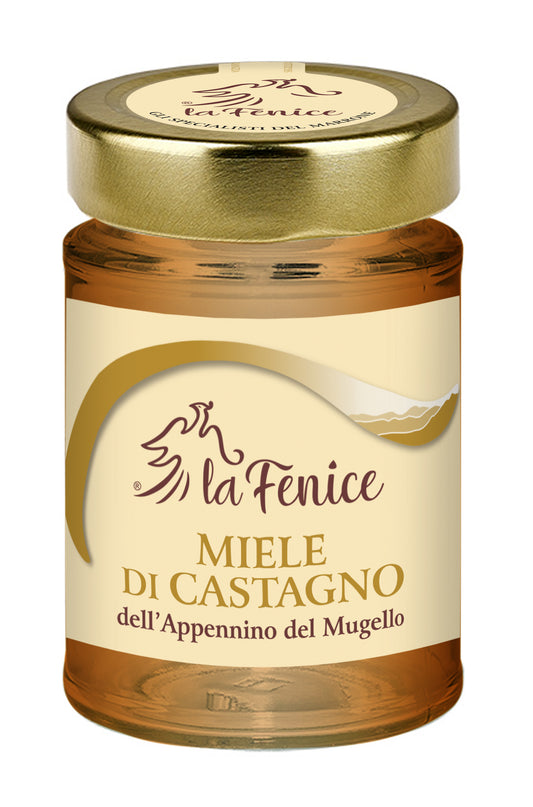
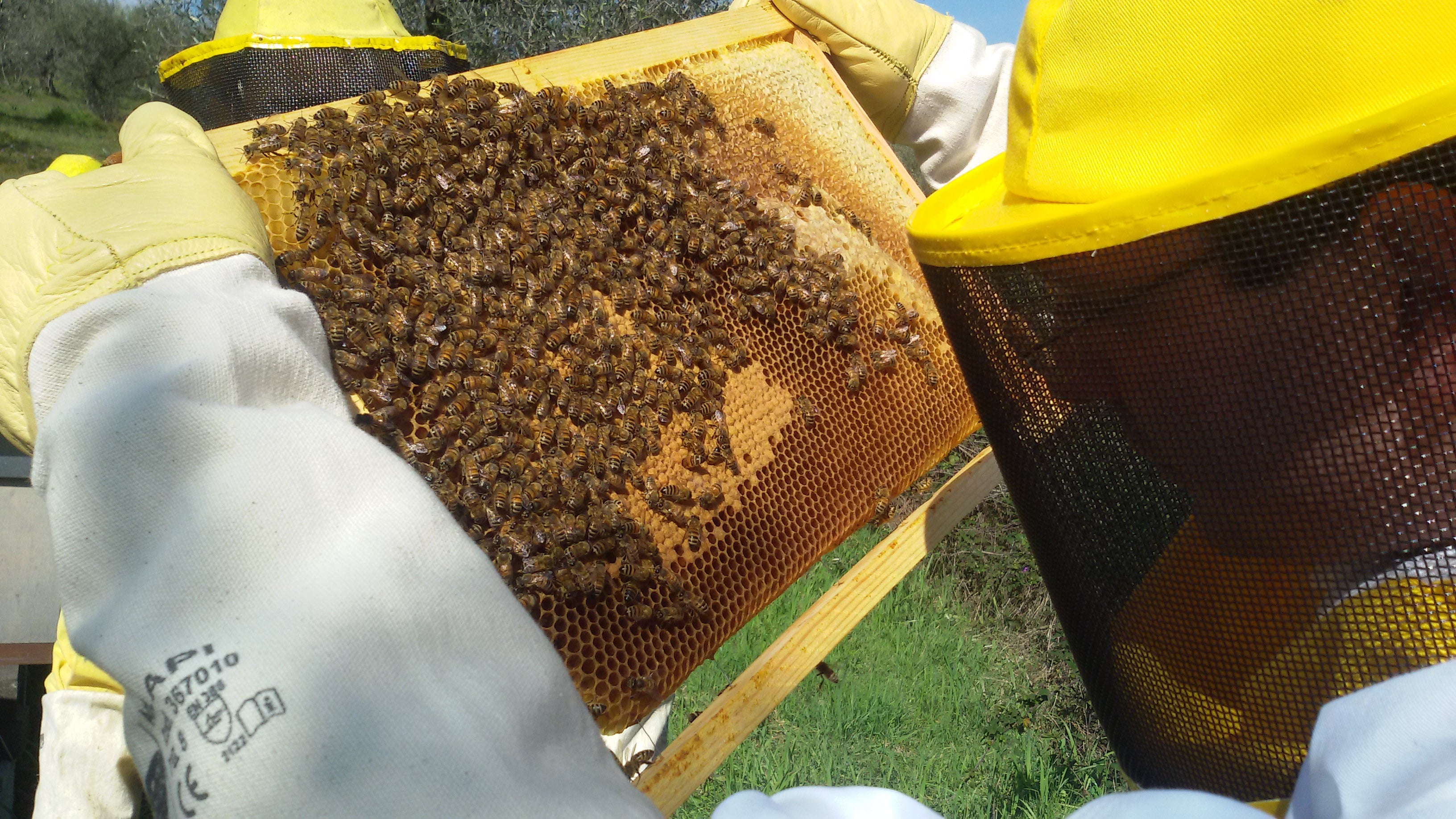
Due to its unique characteristics, chestnut honey is the most recommended among the numerous types of honey in all cases of poor blood circulation; it is advised for anemic people, those suffering from fatigue and asthenia, and those aiming to regain weight.

DISCOVER OUR ORGANIC CHESTNUT HONEY

Chestnut wood

Chestnut wood has a decidedly pleasant aesthetic appearance and, from a practical standpoint, lasts for a very long time thanks to the tannins it contains. It can be found, among other things, in wooden cabins, porches, canopies, carports, gazebos, and all other structures intended for outdoor use: chestnut wood, in fact, withstands external elements without any issues.

Energy resource

A direct derivative of wood was once charcoal, produced in charcoal pits through a slow combustion process. Today, charcoal is no longer produced, but the biomass potential that the chestnut grove offers increasingly appears as an interesting resource for the production of energy from renewable sources.

Even if not used to produce energy, waste from the chestnut grove can be used to provide excellent compost, which is particularly suitable for acidophilic plants, as is the soil collected at the base of old trees, especially those with decomposing trunks.

Chestnut flowers

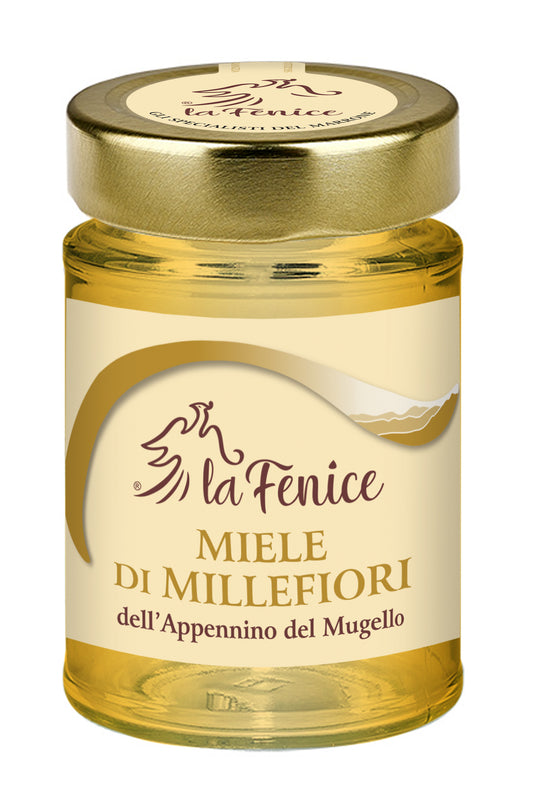
Chestnut flowers offer a unique and unmistakable aroma to the honey produced in the chestnut grove—a honey with character that, rather than as a sweetener, is perfect as a flavoring or seasoning (try it with buttered toast, ricotta, or aged cheeses!).

Mushrooms

Finally, we must not forget mushrooms, which find the chestnut groves to be a particularly favorable habitat for their growth, especially porcini and Caesar's mushrooms.

Tourism

Lastly, tourism is a resource to be valued: there is no doubt about the appeal that a close-up experience of one of the most spectacular environments of our land and culture can exert.