a millennial culture
Revival of traditions
The research and development of new products stems from the recovery of ancient and traditional production methods.
The restoration of an ancient natural stone mill allows us to produce flour of great nutritional value.
Slow and careful processing and transformation methods, learned over the long course of the centuries, are the foundation of our company's production.
The most precious gem
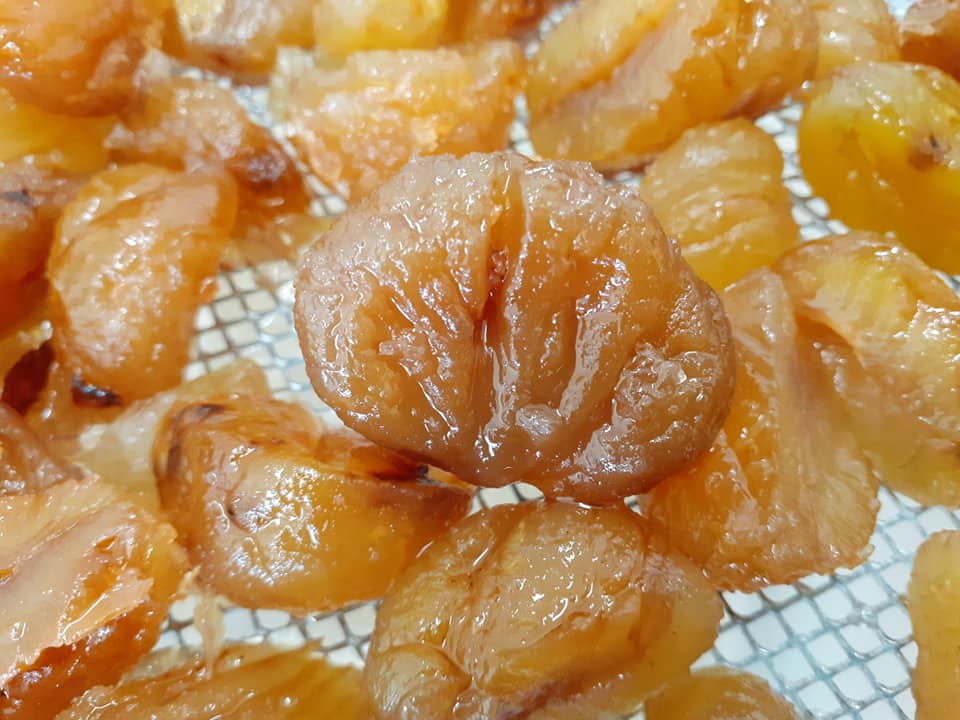
Candied chestnuts
In La Fenice's laboratory, we have studied and experimented at length to obtain marrons glacés worthy of the finest tradition.
Candying is a truly delicate process that makes marrons glacés as precious as few other products in the world.
Immersed for days in a sugar syrup, whose density is constantly measured and adjusted, the chestnuts release water and absorb sugar.
Only after 10 days are they finally removed from the syrup and then glazed, ready to melt in your mouth and offer an unparalleled sweetness.
for a top-tier chestnut flour
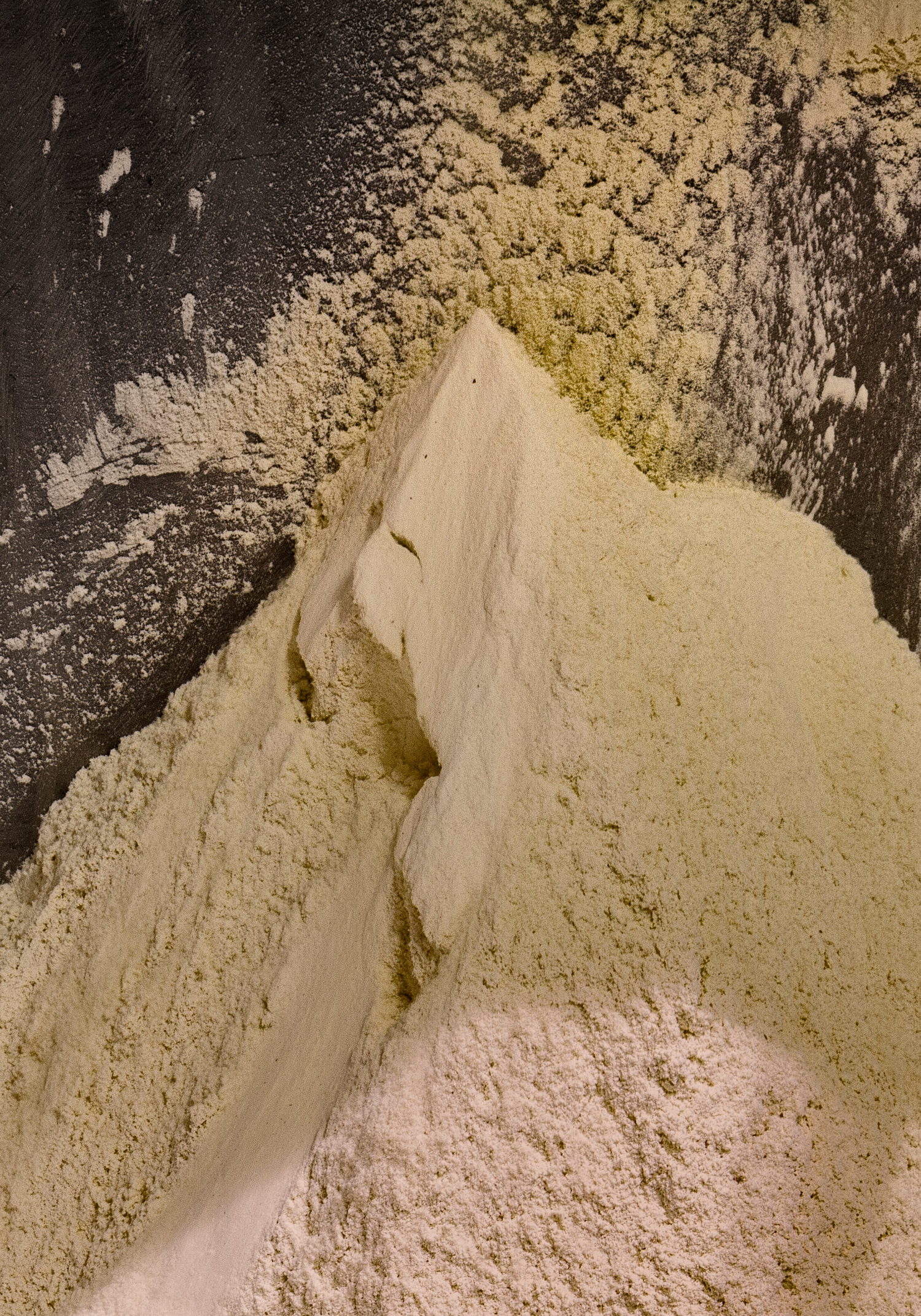
True natural stone milling
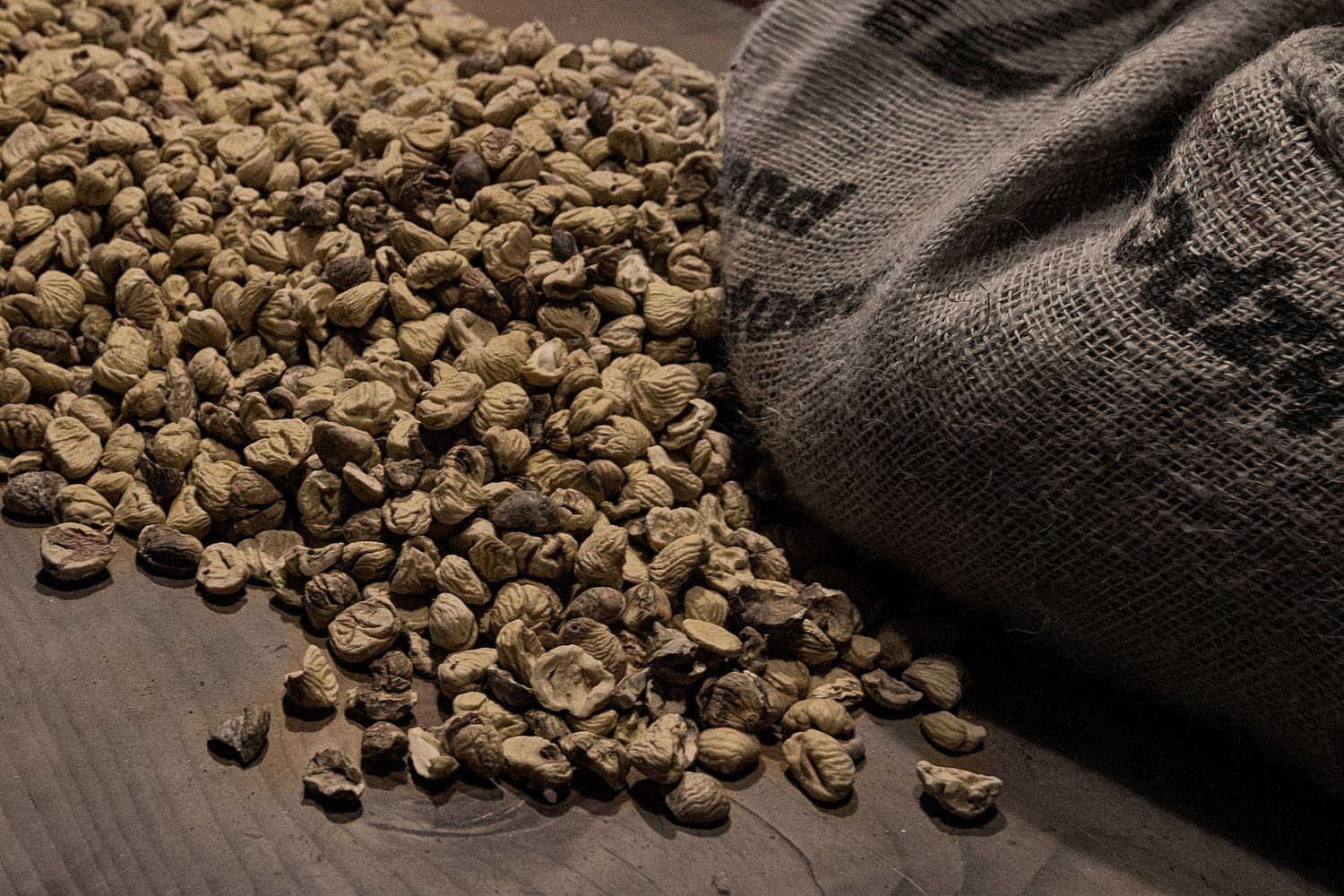
The dried chestnuts are strictly selected and ground in our genuine natural stone mills. The use of traditional stone is a source of great pride for our company and a guarantee of a top-quality chestnut flour.
the most prized natural stone in Europe
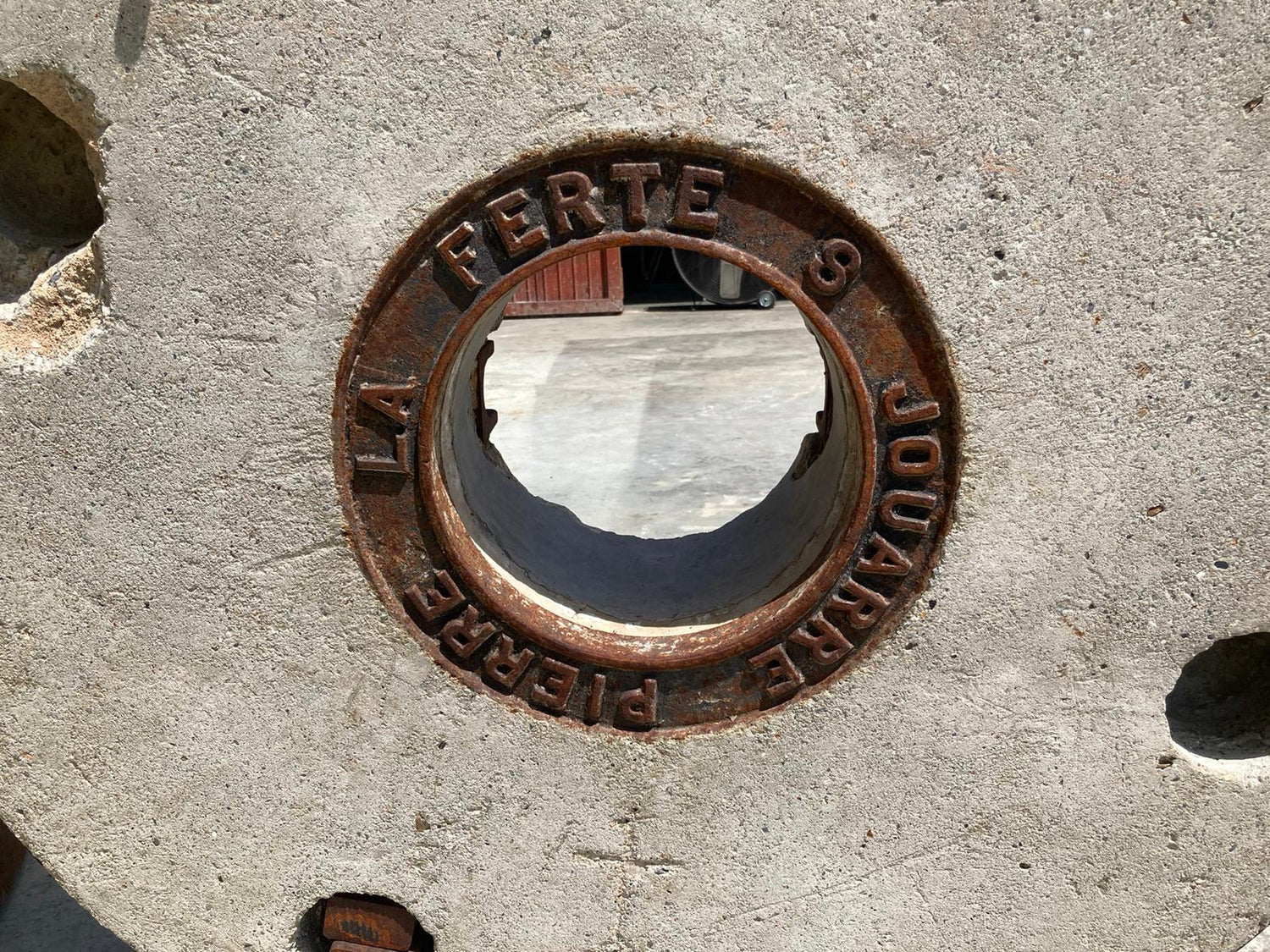
La Ferté
La Fenice's genuine natural stone millstones are made from the highest quality millstone known, the famous “La Ferté” stone, which comes from La Ferté-sous-Jouarre, a small area east of Paris, and possesses a temper so hard that it has historically been the most sought-after millstone by millers throughout Europe.
differ from modern ones
Superior quality grinders
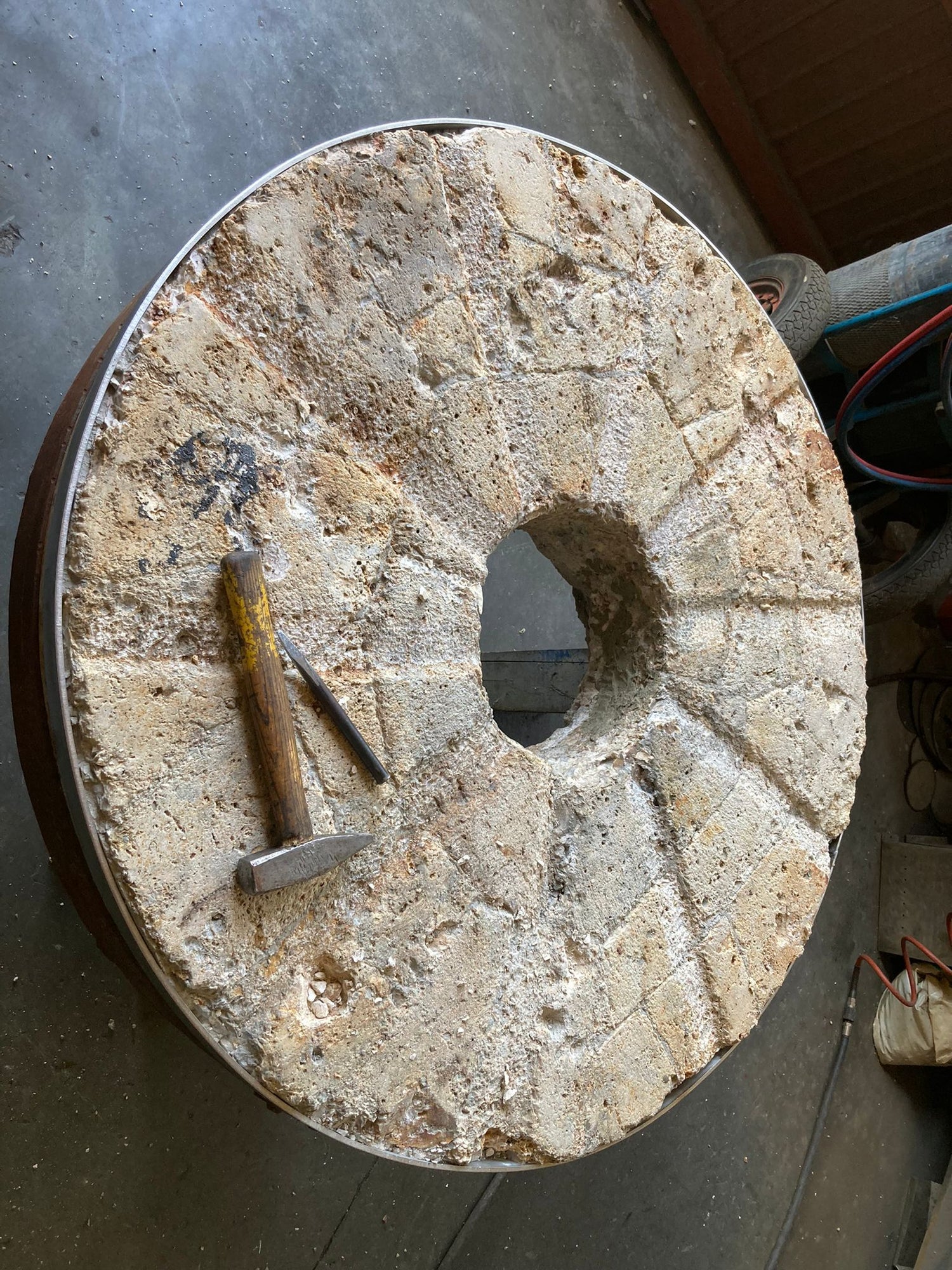
Modern “stone” mills, which are the most popular today, are artificial agglomerates of emery, flint, and magnesite, often in addition to various resins, additives, and dyes, assembled together to guarantee excessive productivity and rotation speeds with minimal maintenance, albeit at the expense of the pursuit of superior quality, which has always been characteristic of slower, artisanal methods.
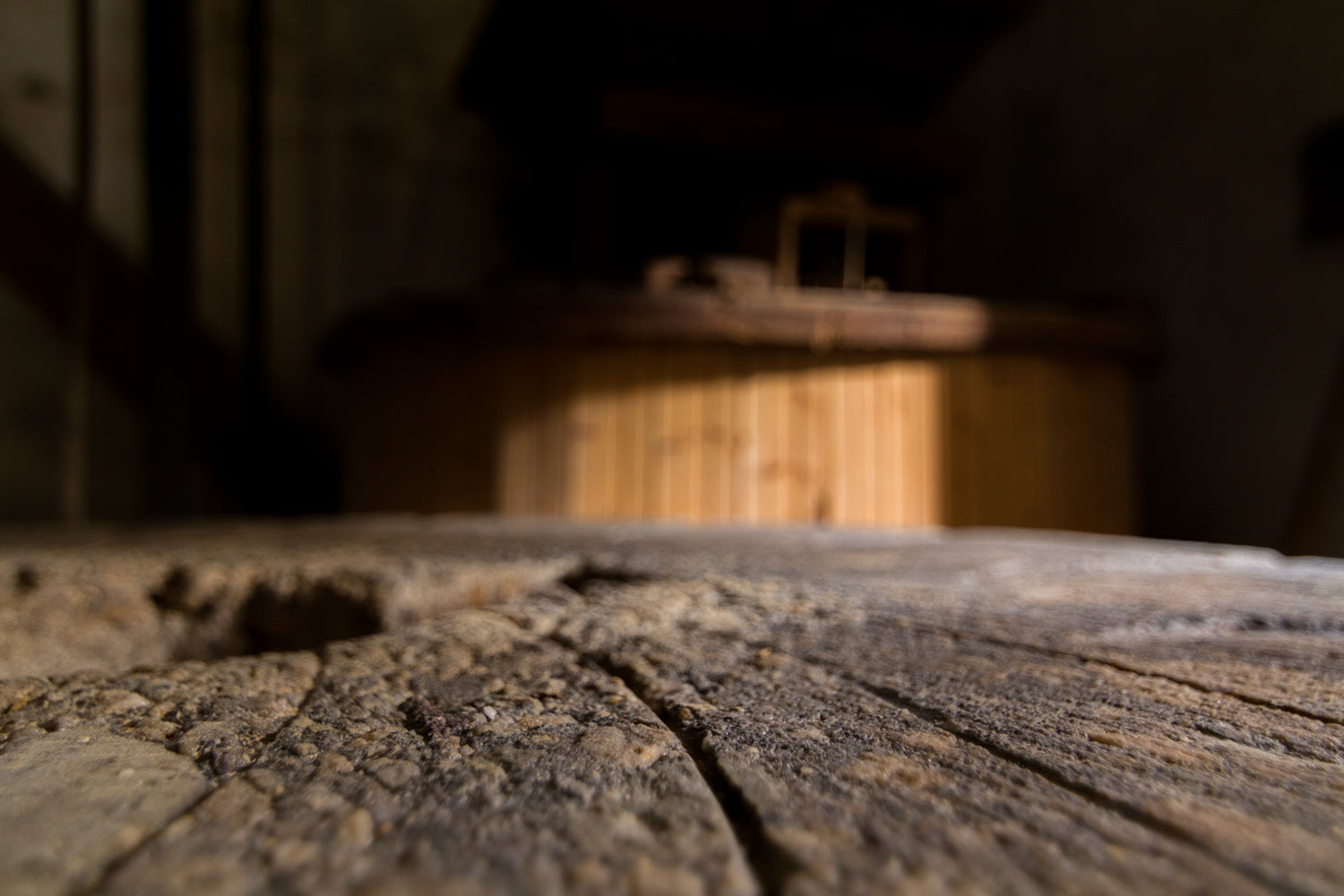
Natural stone mills, on the other hand, are carved directly from a real block of stone, extracted from an actual quarry. The maintenance of these mills—known as dressing—is constant and has produced entire generations of expert stonemasons who, armed with patience and a dressing hammer, trace the patterns of the millstone and refine its imperfections, shaping the stone for the best result: a chestnut flour that is fine and refined by a slow and healthy rotation.
handed down from generation to generation
Secular tradition
Often, traditional stone millstones are passed down from generation to generation, from one miller to another, over the course of even centuries, until they are completely worn out.
Each millstone is distinguished by its own unique characteristics (hardness and porosity), which make it special for a specific grain to be milled (soft wheat, spelt, semolina, corn, chestnuts or marrons!).
ancient traditions
Millenary culture
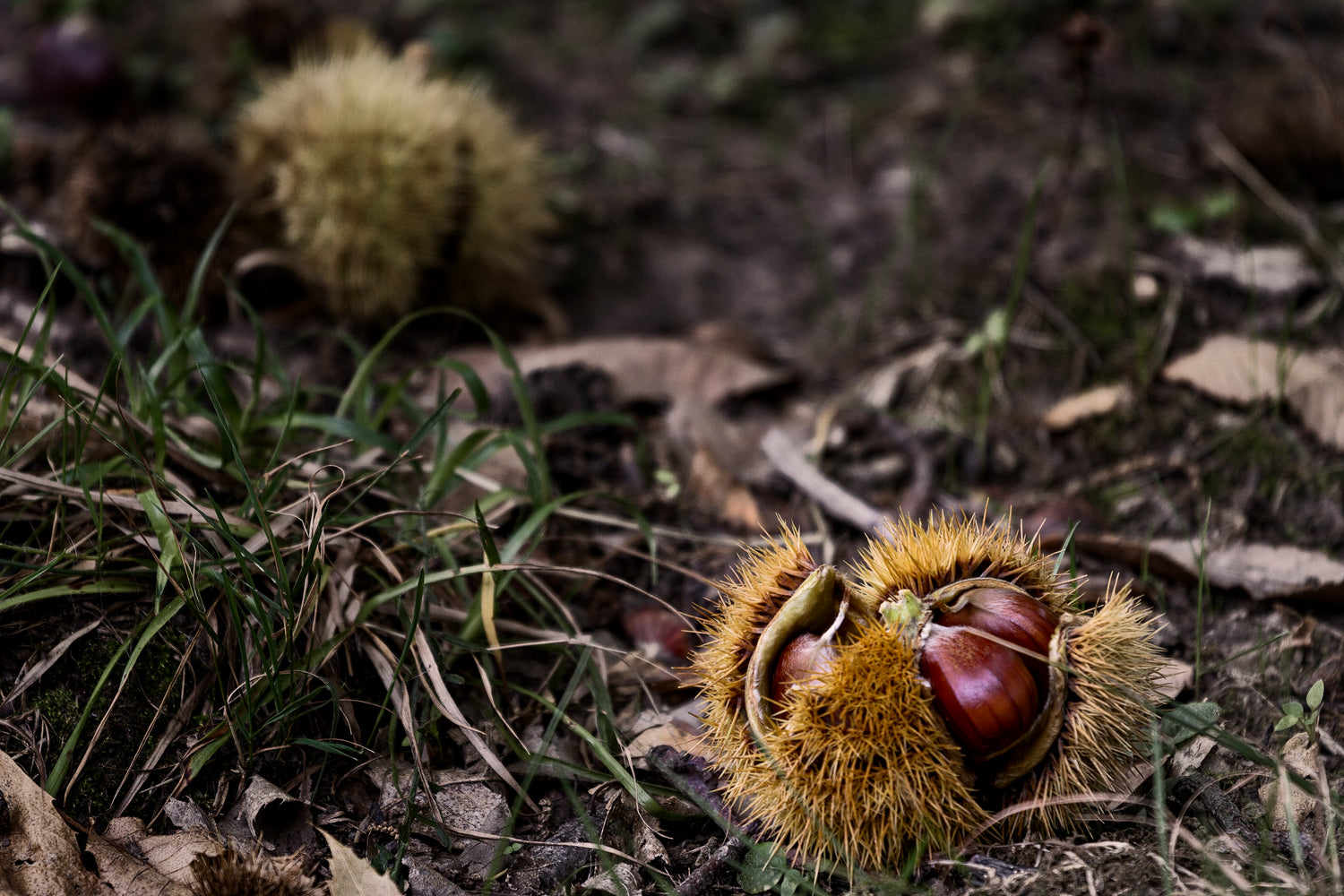
Like the Phoenix, the millennial culture of the chestnut rises from its ashes. Traditional recipes and ancient knowledge bring our company products to life.
Try our chestnut flour
-
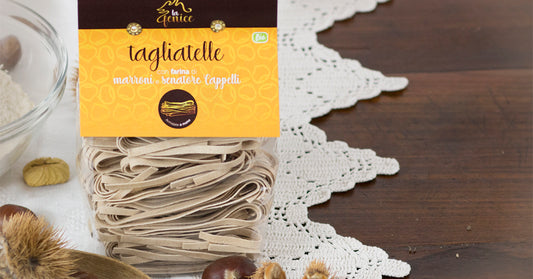
Chestnut flour and Senatore Cappelli tagliatelle
Regular price €3,80Regular priceUnit price per -
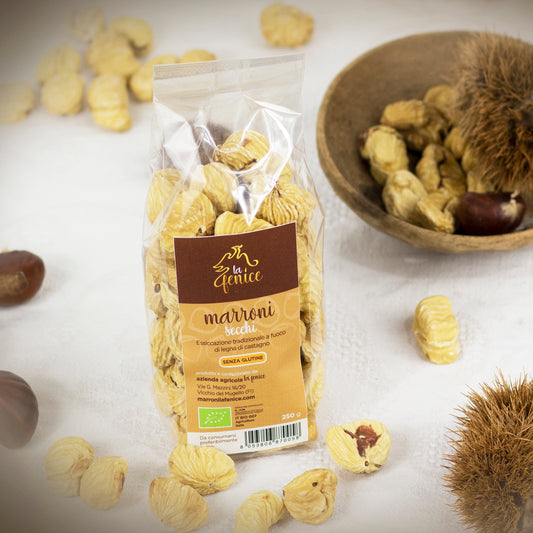
Dried chestnuts (250g)
Regular price €6,20Regular priceUnit price per -
Mugello Chestnut Flour PGI
Regular price From €6,60Regular priceUnit price per